The User Experience of Public Restrooms
 Ryutaro Sakai 4 min read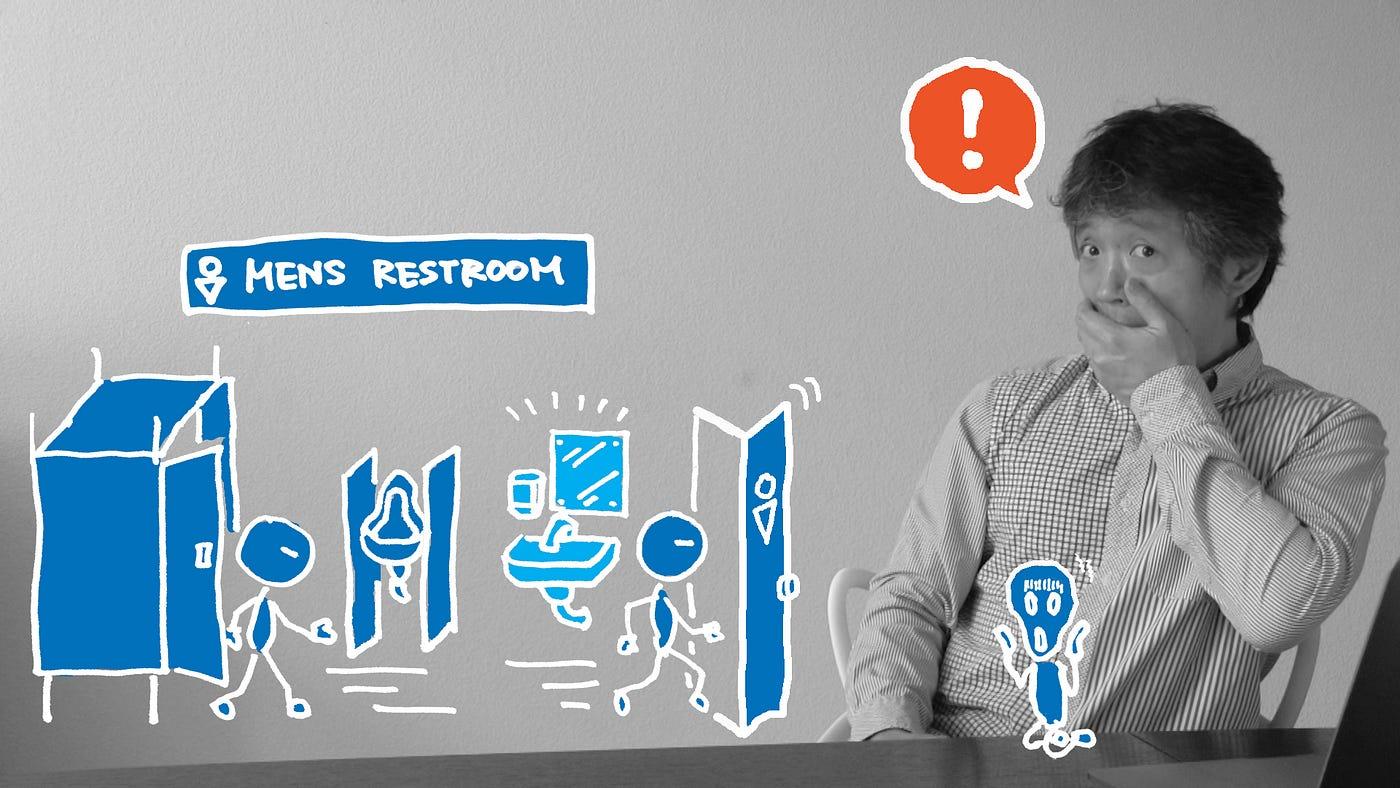
Before the pandemic, I used to go to cafes quite often. I’d do my work, read books, or just chill out with a nice cup of coffee. When staying at a cafe for a good stretch of time, I naturally needed to use the restroom. That gave me quite a bit of opportunity to experience — and reflect on — the UX of public restrooms.
From my perspective as a UX designer, public restrooms have so many UX problems that can go wrong. It’s a really interesting opportunity space to think through user experience at multiple levels.
I know — nothing fancy, rather disgusting in a way, right?
Public restrooms are weirdly unique spaces. They are private, tiny spaces tucked inside a public area. Hygiene is at the front and center. And your user experience is heavily affected by how the previous person used the space.
The user experience of a public restroom is a combination of human behaviors, psychology, and physical interaction design.
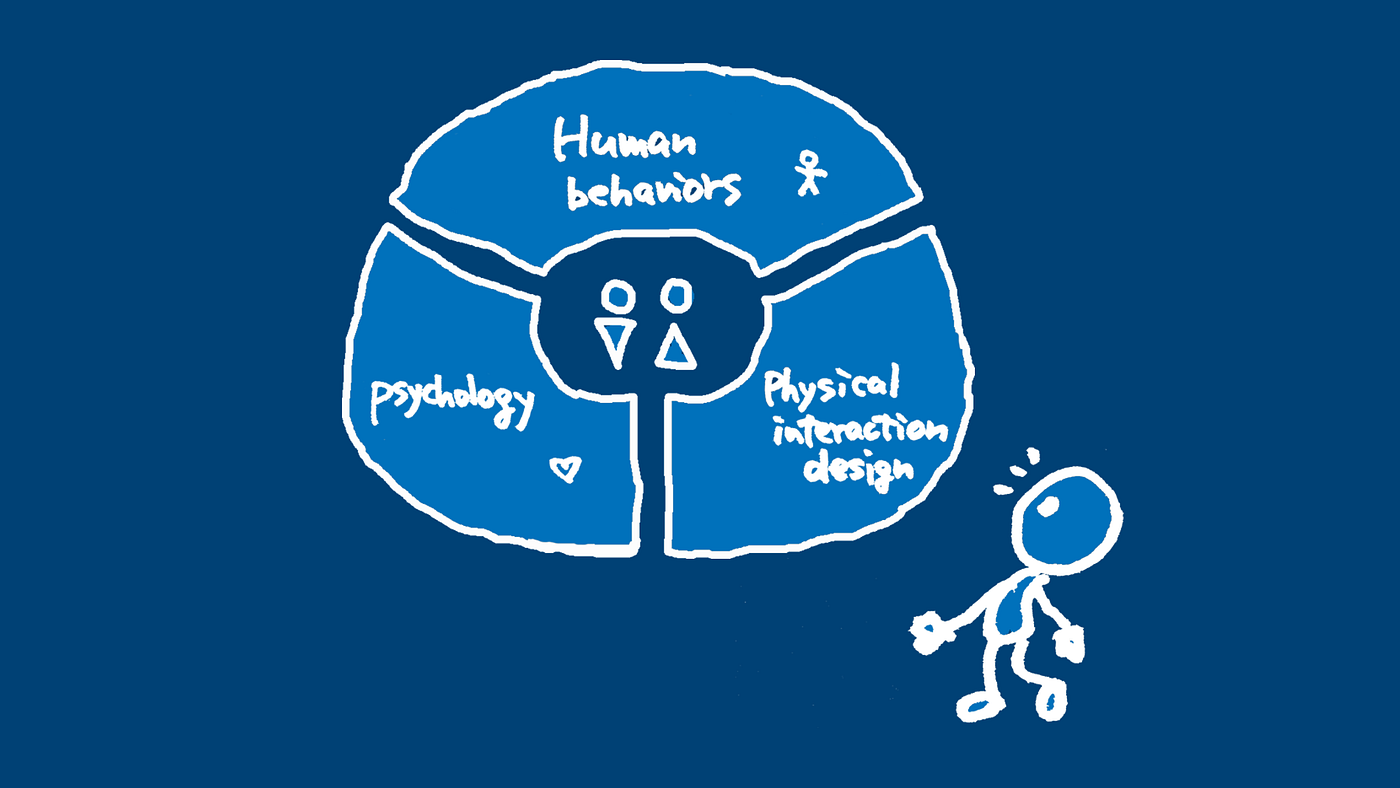 The UX of public restrooms sits at the intersection of human behaviors, psychology, and physical interaction design
The hand-washing problem
From my cafe experiences, one of the most shocking things I found was that many people didn’t wash their hands.
I knew that not everyone washes their hands after using a restroom. But I was quite shocked to witness just how many people skipped it entirely.
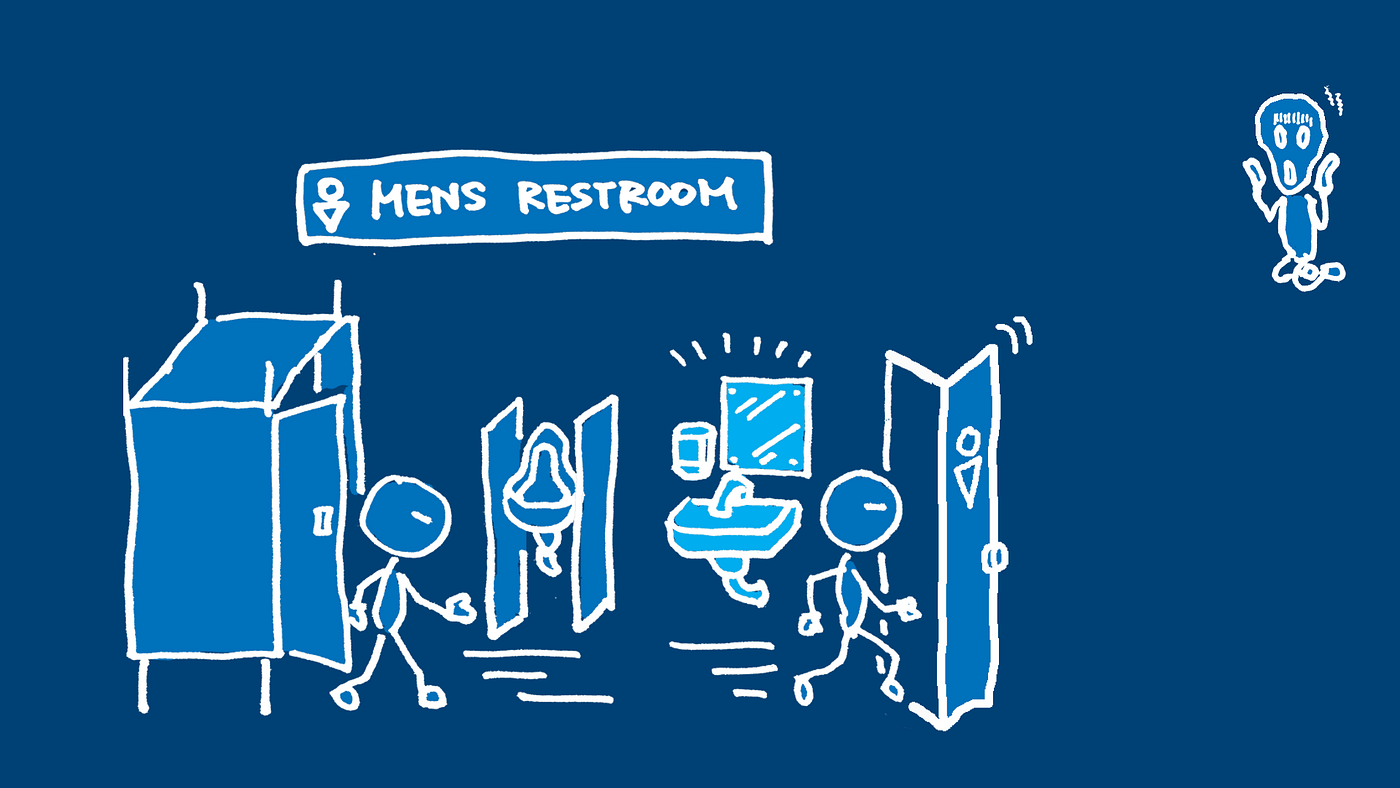 Observing men’s restrooms with an exposed sink made it visible — many people exit without washing their hands at all
I was only able to observe this in men’s restrooms where a public sink was exposed so I could see people walking out without stopping. This scared me — because some restrooms have sinks hidden behind a locked door. In that setup, you have no idea whether the person who just came out washed their hands or not.
I wonder if the pandemic has changed people’s behaviors. A thorough 20-second hand wash has now become an expected norm from a public health perspective.
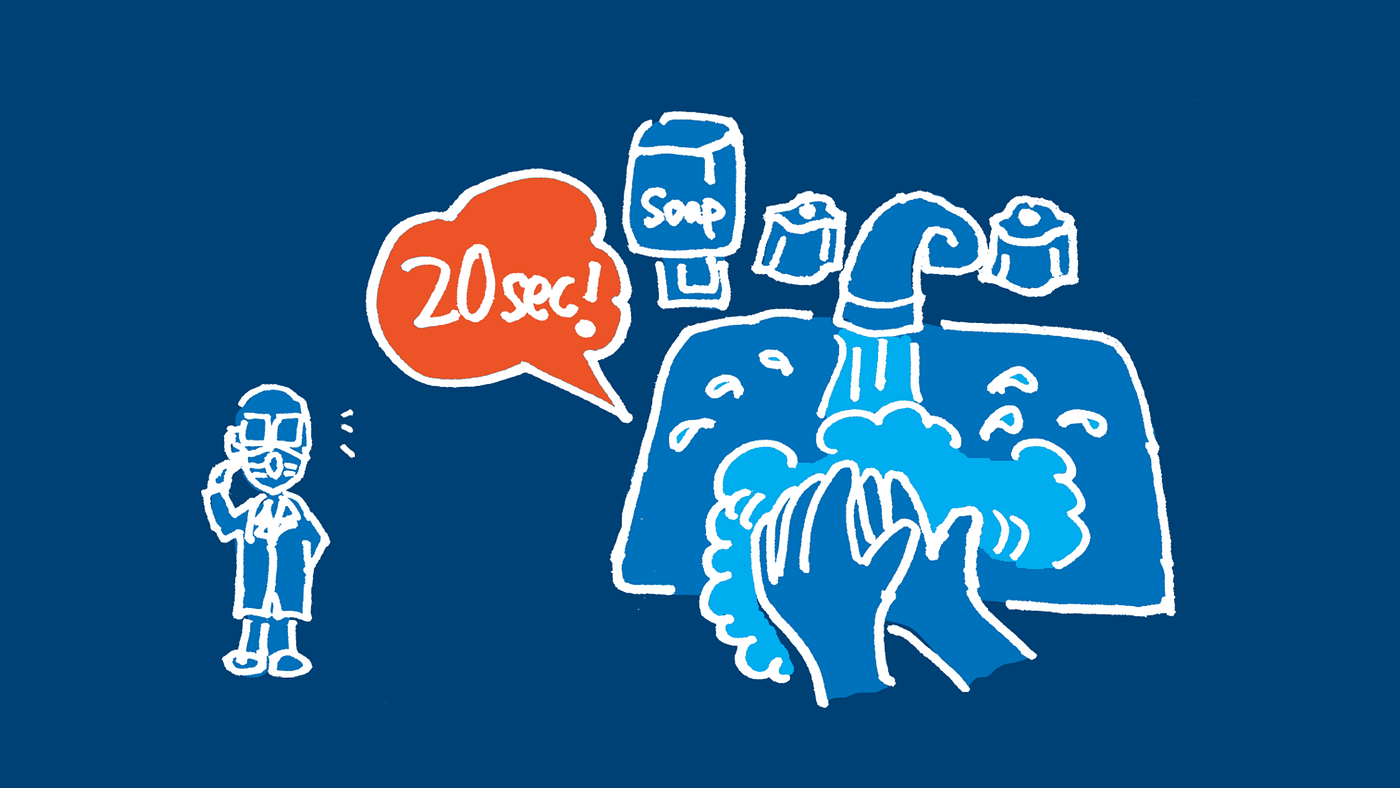 The recommended 20-second hand wash has become a widely communicated public health standard during the pandemic
The flushing problem
Another thing I encountered many times was a toilet bowl where the previous person had not flushed.
This is quite depressing.
Unlike hand-washing, this could be the result of a technology failure — auto-flush malfunction, or a person who flushed manually but the toilet had a mechanical problem that resulted in incomplete flushing. Or it did flush, but the flushing power wasn’t enough to remove everything.
But either way: if you care for the next person, you should make sure everything is completely flushed before you leave.
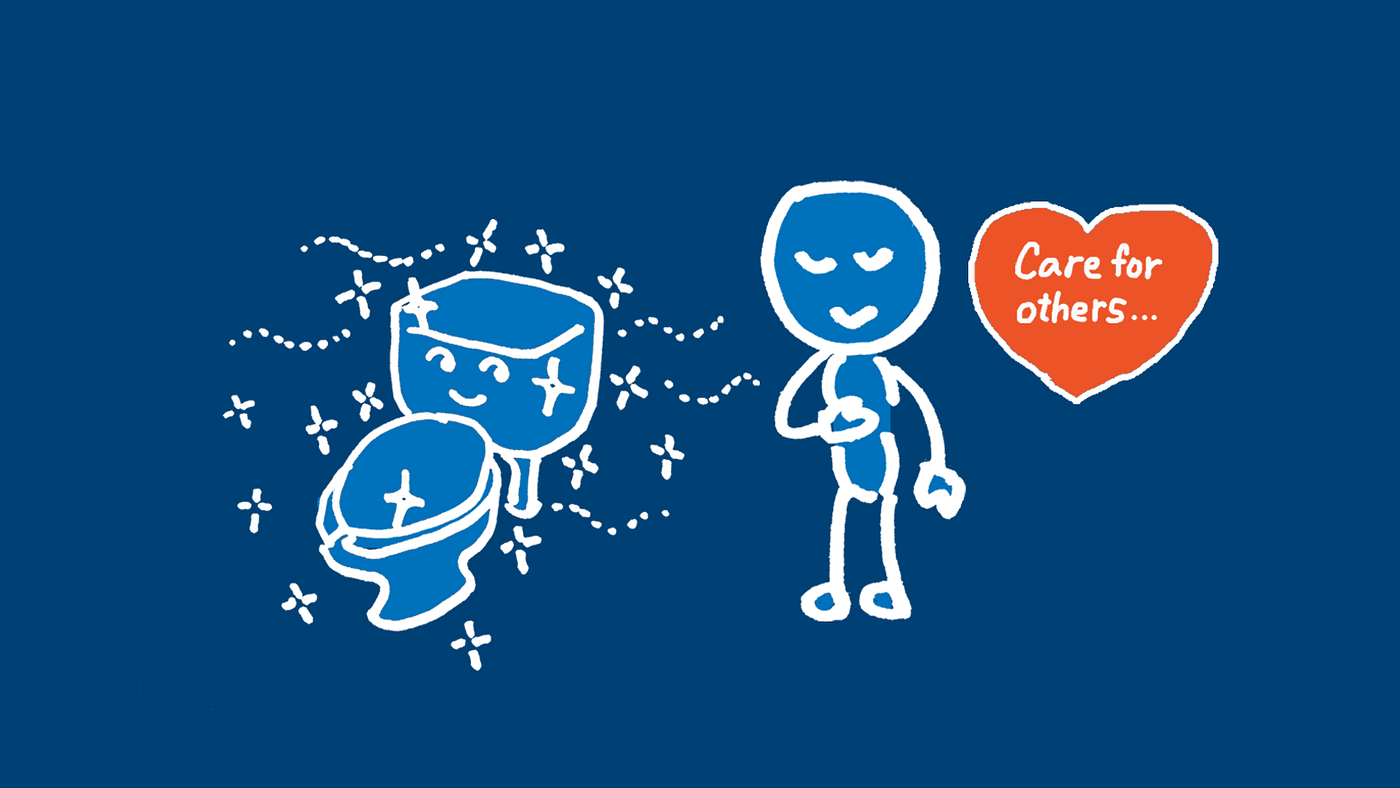 Whether it’s flushing or hand-washing — caring for others is the underlying principle
Can design change behavior?
In today’s world, we are all tested on whether we only care about ourselves, or whether we have enough conscience to care for others — be it social distancing, wearing a mask, or simply leaving a restroom in the condition you’d want to find it.
Will people change their behaviors for the better once the pandemic settles down? My guess is yes, to a certain extent — but it will have very little effect on those who need to change the most. It’s very hard to change people’s behaviors unless there’s a meaningful benefit in doing so.
Which brings up this question: Is there anything a user experience designer can do to help change these behaviors?
A UX designer understands human psychology and human behavior. I don’t have a definitive answer, but it’s an interesting, challenging problem to think through.
This reminds me of the famous urinal fly at Amsterdam Schiphol Airport.
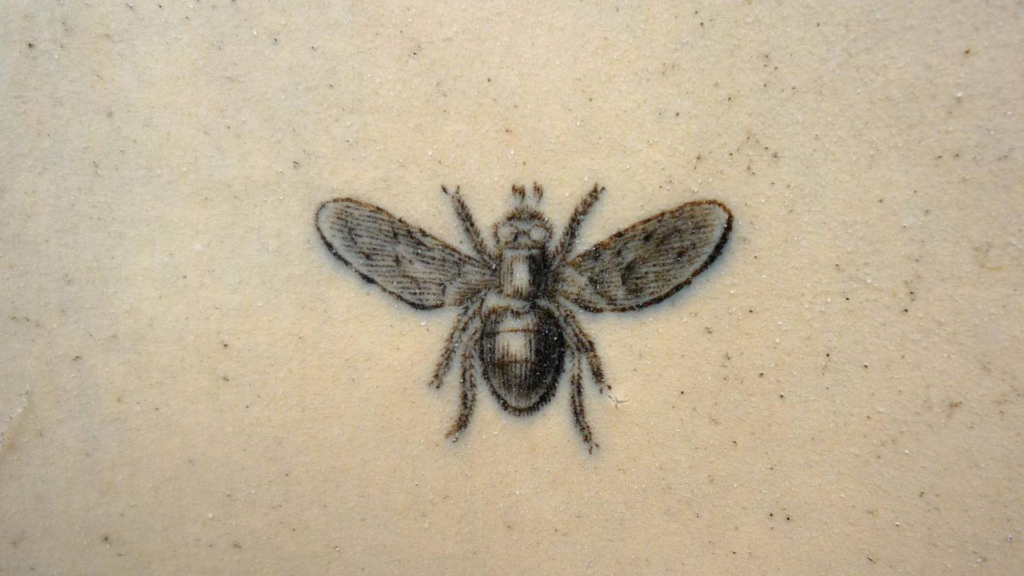
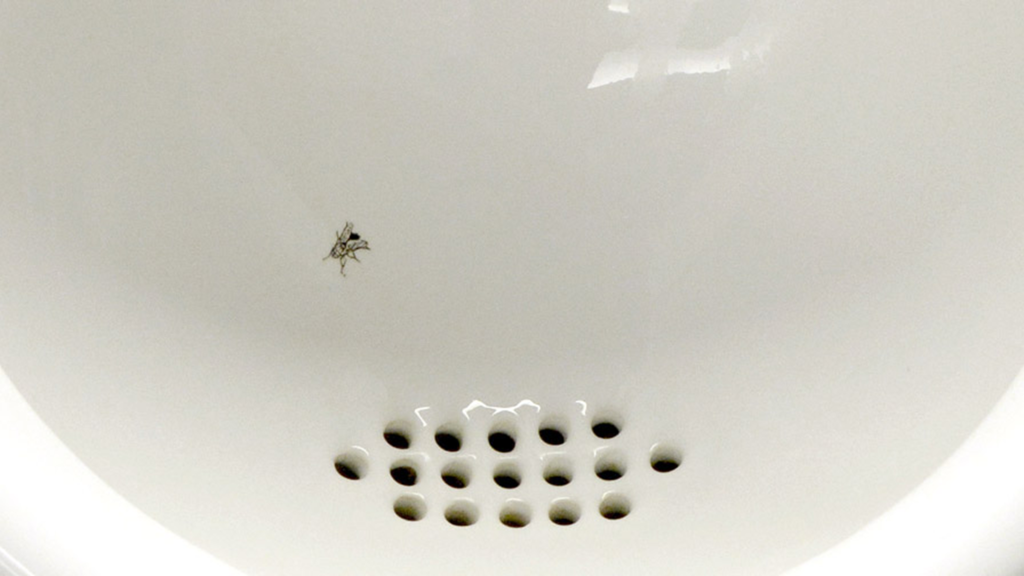 The urinal fly — a small etching of a fly near the drain of the urinal
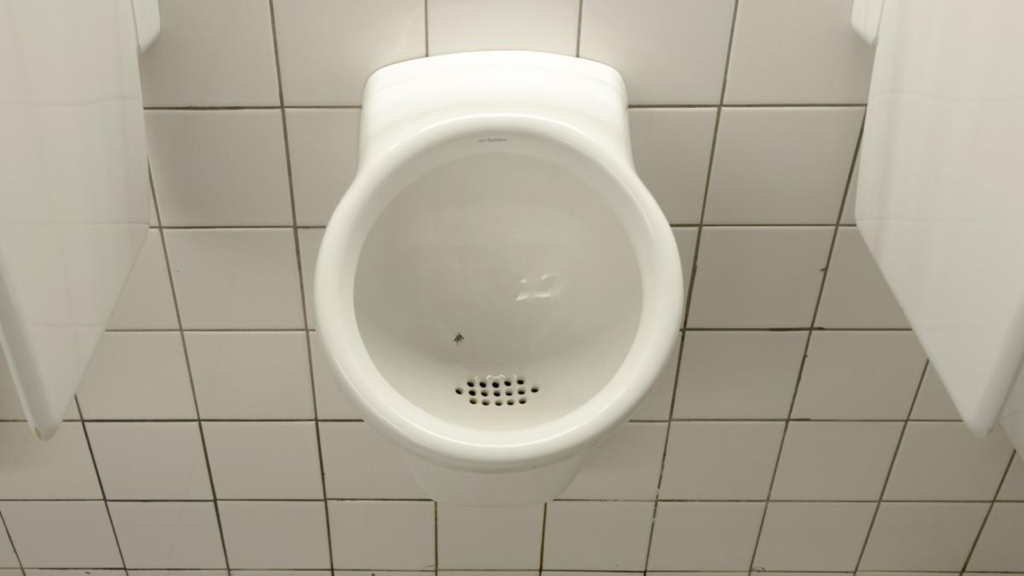 The full view — a subtle intervention with a measurable effect
A small etching of a fly was placed near the drain of the urinals. According to reports, it reduced spillage by around 50% — because men naturally tend to aim at the target.
This is a clever idea that takes advantage of human behavior and psychology, and implements it directly into the physical design. No signage, no instructions, no enforcement — just a well-placed visual cue that works with instinct.
Maybe a similar line of thinking could be applied to the hand-washing and flushing problems.
It’s been a long time since I last went to a cafe and used a public restroom. I’m curious to see how the pandemic has — or hasn’t — affected people’s behaviors.
In this article, I’ve touched on hand-washing and flushing. But there are so many other UX problems in public restrooms worth thinking through — perhaps a topic for another time.